Rosala: A Handwritten Font for Creative Campaigns
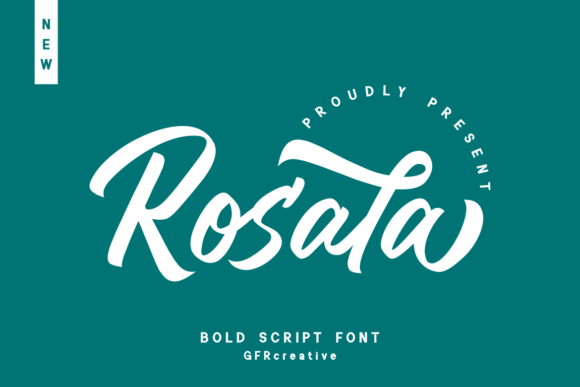
As a designer working on a seasonal sale launch, I often find myself searching for the perfect typeface to match the vibe of the campaign. Rosala, a handwriting font from the Script Amp collection, has become a go-to choice for its warm, expressive style that feels both personal and professional.
When I first opened the font file, I was struck by its natural flow—each letter seems to have been written with care, giving it a human touch that stands out in digital spaces. It’s not just a font; it’s a tool that adds personality to any design, making it ideal for branding, editorial layouts, and social media visuals.
Real-World Use: Social Media Graphics and YouTube Thumbnails
One of the first projects where I used Rosala was for a YouTube thumbnail set promoting a new online course. The font’s fluidity worked well for the headline, adding a sense of energy and approachability. On mobile screens, it maintained clarity without looking messy, which is crucial when viewers are scrolling quickly through feeds.
I paired Rosala with a clean sans serif font for the subtext, creating a balance between the handwritten style and modern typography. This combination helped guide the viewer’s eye, ensuring the message was clear and the visual hierarchy made sense.
For Instagram posts, I used Rosala for quote graphics and promotional banners. Its readability on small previews was impressive, especially when placed over dark backgrounds or image overlays. It didn’t overpower the visuals but added a subtle charm that felt authentic.
Brand Consistency and Visual Hierarchy
When building a brand identity, consistency is key. Rosala excels in this area, offering a unique yet versatile voice that can be used across multiple platforms. Whether it’s a logo, a website header, or an email banner, the font maintains a cohesive look that reinforces brand recognition.
Its personality is friendly and inviting, making it a strong choice for campaigns targeting creative audiences or lifestyle brands. However, it’s important to note that Rosala isn’t suited for long blocks of text. It shines best as a display font, used for headlines, callouts, and decorative titles rather than body copy.
In a recent Pinterest campaign for a boutique online shop, I used Rosala for product labels and promotional cards. The font added a handcrafted feel that aligned perfectly with the brand’s aesthetic. It also helped create a sense of urgency and excitement, which is essential for sales-driven content.
Practical Tips for Using Rosala
Before finalizing any design, I always check how Rosala looks in different sizes and contexts. On mobile screens, it’s best to keep text large enough to remain legible. For thumbnails or image overlays, using a lighter weight or alternate character set can help maintain clarity without sacrificing style.
When designing for dark backgrounds, I tend to use a slightly bolder version of the font to ensure contrast. On light backgrounds, a thinner variant works better to avoid overwhelming the viewer. These small adjustments make a big difference in the overall impact of the design.
For digital ads and landing pages, I recommend using Rosala sparingly. Too much of it can feel cluttered, so I usually reserve it for key elements like headlines or CTA buttons. Pairing it with a simple serif or sans serif font helps create a balanced and professional look.
Limitations and Best Practices
While Rosala is a powerful tool, it’s not a one-size-fits-all solution. In situations where clarity and formality are paramount—such as corporate communications or technical documentation—it may not be the best choice. Its informal nature could clash with more structured designs.
Also, when working with multilingual content, I always verify that Rosala supports the required characters. Some script fonts have limited language coverage, so checking the font’s features before use is essential.
Finally, when using Rosala in commercial projects, I make sure to review the licensing terms. Most premium fonts allow for a range of uses, but it’s important to confirm that the license covers all intended applications, including client work, merchandise, or digital products.
Conclusion: A Versatile Addition to Any Designer’s Toolkit
Whether you’re working on a seasonal sale, a product teaser, or a branded template pack, Rosala offers a fresh and expressive way to communicate your message. Its natural flow and creative appeal make it a standout choice for designers looking to add a personal touch to their campaigns.
By understanding its strengths and limitations, you can use Rosala effectively to enhance your visual storytelling, boost audience engagement, and maintain a consistent brand presence across platforms.