The Coastal Font Review
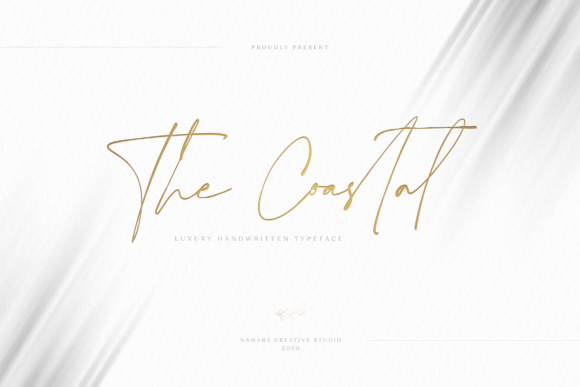
As a web designer, I’m always on the lookout for fonts that bring both personality and purpose to a site. The Coastal has quickly become one of my go-to choices for headers, logos, and decorative elements. It’s the kind of font that feels like it was made for digital storytelling—delicate, elegant, and just a little bit whimsical.
A First Impression: Hero Section Testing
I started by testing The Coastal in a hero section for a boutique online store. The font’s flowing curves and soft edges gave the page a warm, inviting feel. It worked especially well over a background image of a coastal scene, adding a sense of movement and visual interest without overwhelming the design.
On mobile devices, The Coastal maintained its clarity and charm. The subtle swashes and ligatures added a touch of sophistication, making it perfect for headings that need to stand out but still feel approachable.
Brand Identity and Visual Hierarchy
When building a brand identity, consistency is key. The Coastal offers a unique voice that can help define a brand’s tone. Whether it’s used for a logo, tagline, or section heading, it brings a sense of refinement that aligns well with modern web design trends.
It’s important to consider how The Coastal interacts with other design elements. Pairing it with a clean sans serif font for body text creates a balanced look that’s both readable and stylish. This combination works particularly well for landing pages, where clarity and aesthetics must coexist.
Responsive Design and Readability
One of the first things I checked was how The Coastal performed on different screen sizes. At larger sizes, it shines as a display font, adding a personal touch to headlines and call-to-action buttons. But when scaled down, it can become less legible, especially on smaller screens or dark backgrounds.
For this reason, I recommend using The Coastal for short phrases, titles, and decorative accents rather than long paragraphs. It’s ideal for headings, subheadings, and buttons where a bit of flair can enhance the user experience without sacrificing readability.
Webfont Availability and Licensing
Before integrating any font into a website, I always check the licensing terms. The Coastal comes with commercial licensing options, which is great for designers working on client projects or e-commerce sites. It also includes multiple weights and styles, giving flexibility for different design needs.
The font is available in standard webfont formats, making it easy to implement across platforms. I tested it on several browsers and found that it rendered consistently, with no issues related to character spacing or glyph rendering.
Use Cases for Web Designers
The Coastal excels in scenarios where a personal, handcrafted feel is desired. It’s perfect for creative portfolios, coaching websites, and product landing pages that aim to convey authenticity and artistry. Its delicate nature makes it ideal for minimalist designs where every element needs to serve a purpose.
I’ve also used it in digital ads and social media graphics, where it adds a touch of elegance without being too bold. It pairs well with images and illustrations, helping to guide the viewer’s eye through a composition while maintaining a cohesive aesthetic.
However, there are situations where The Coastal might not be the best choice. For example, it’s not suitable for small navigation menus or form labels, where clarity and speed of reading are more important than style. In those cases, a simpler, more functional font would be a better fit.
Final Thoughts on The Coastal
The Coastal is a standout font for web designers looking to add a human touch to their digital projects. Its balance of elegance and approachability makes it versatile for a wide range of applications, from branding to layout design. When used thoughtfully, it can elevate a website’s visual appeal while supporting a strong user experience.
If you’re working on a project that benefits from a personal, handwritten feel, The Coastal is definitely worth considering. Just remember to pair it wisely and test it thoroughly across different devices and contexts to ensure it meets your design goals.